
Saturdays, February 21 AND March 21 USC COP Annual Continuing Education Conference 2026

|
8:40 am -
9:40 am
|
.JPG) |
Board of Pharmacy Inspection Readiness
|
Krystal Brashears Stefanyk;
Director of Inspections,
North Carolina Board of Pharmacy
|
|
9:50 am -
10:50 am
|
.JPG) |
New and Updated Antimicrobial Indications |
Nicole "Sun" Sunshine, PharmD
Infectious Diseases Pharmacist, Academic Fellow,
USC College of Pharmacy
|
|
11:00 am -
12:00 pm
|
.JPG) |
Navigating Recent Changes to the US
Vaccine Schedule - Policy, Recomendations, and
Evidence
|
Patricia H. Fabel, PharmD, BCPS, FAPhA;
Clinical Associate Professor, USC College of Pharmacy
|
|
1:00 pm -
2:00 pm
|
.JPG) |
From Prescription to Patient:
Enhancing Access to Medications
|
Betsy Blake PharmD, BCPS, FNAP;
Clinical Associate Professor and
Director of Interprofessional Education,
USC College of Pharmacy |
|
2:10 pm -
4:20 pm
|
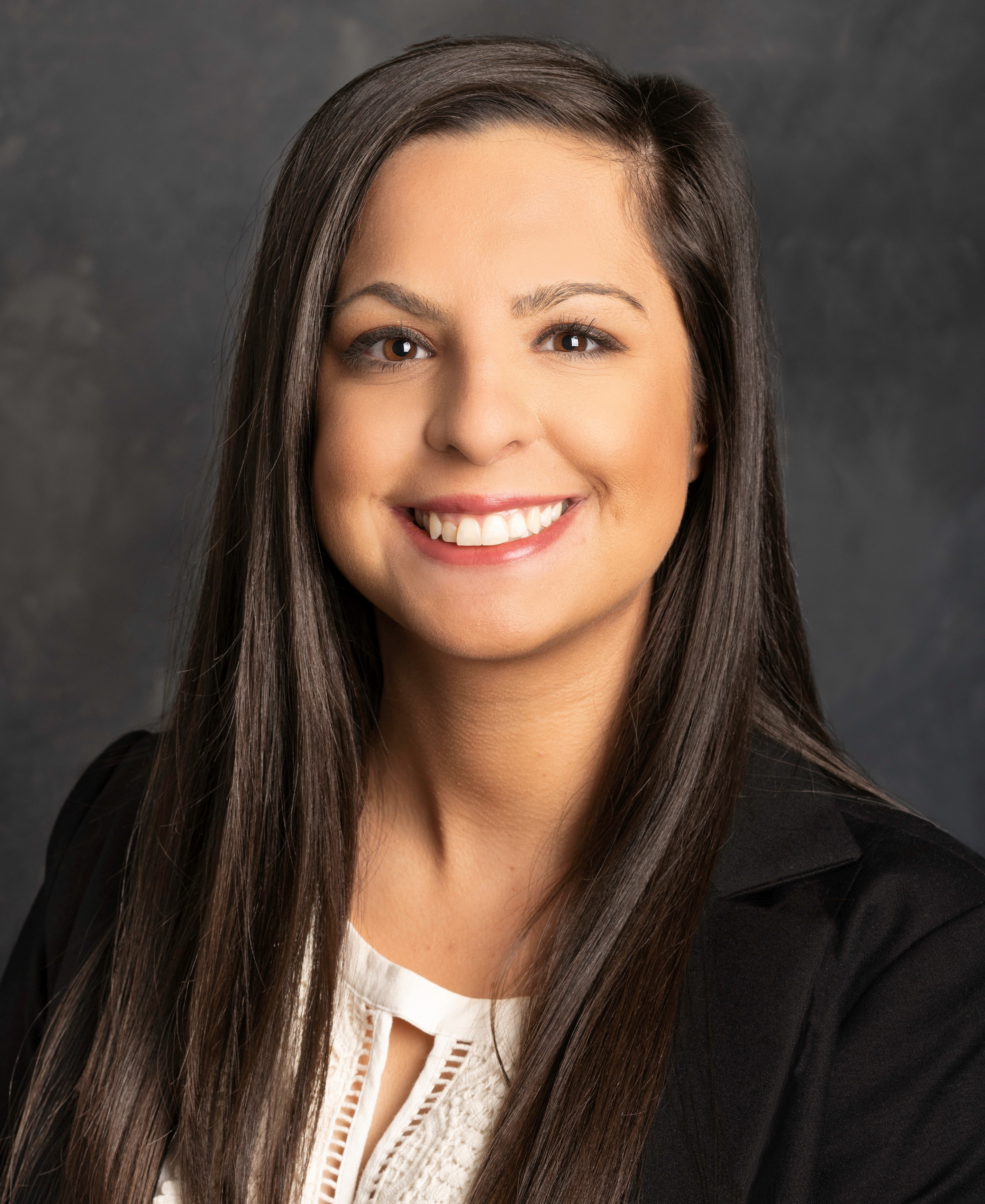 |
Controlled Substances in Pharmacy Practice:
You're Not Just Dispensing,
You're Defending Your License
|
Thayra Rios Schad, PharmD;
Staff Pharmacist,
Hawthorne Pharmacy
|
|
8:40 am -
10:10 am
|
.jpg) |
Diabetes Dialogue:
Determinants, Devices, and Drugs
(2026 Update)
|
Cynthia Phillips, PharmD, CDCES;
Clinical Associate Professor,
USC College of Pharmacy |
|
10:20 am -
11:20 am
|
.JPG) |
Don't Go Racin' My Heart:
The Role of Landiolol for
Rate Control in the ICU
|
Victoria Harmon, PharmD;
Clinical Assistant Professor,
USC College of Pharmacy
|
|
11:30 am -
12:30 pm
|
1.jpg) |
Methadone Matters:
A Practical Refresh for
Today's Pharmacist
|
Lauren Linder Wier, PharmD, BCPP;
Clinical Assistant Professor,
USC College of Pharmacy
|
|
1:30 pm -
2:30 pm
|
.JPG) |
GLP-1 Double Play:
Solo Stars and Dynamic Duos
in the Obesity Game Plan
|
Jennifer Clements, PharmD,
FCCP, FADCES, BCPS, CDCES, BCACP, BC-ADM;
Clinical Professor and Director of Pharmacy Education,
USC College of Pharmacy
|
|
2:40 pm -
4:10 pm
|
Speaker for this session is
still being finalized
|
|
|
|
Hours | Pharmacists | Pharmacy Technicians |
|
All programming
(Saturdays, February 1
AND
March 15)
|
12 live
|
$170*LT | $110*LT |
- Active PEEP Preceptors: You will receive communication via email regarding discounted registration!
- USC College of Pharmacy Alumni: Prior to registering, please check your email and/or mail for information from the COP on discounted registration!
- * - For those who choose to attend in-person, fees include a continential breakfast and lunch
- L- Please note that fees will appear as “Learning Express” on your credit card statement
- T – Includes a 7.5% non-refundable course fee
- USC College of Pharmacy reserves the right to cancel the programming. In the event of a cancellation, each participant will be notified via email prior to the program and a full tuition refund will be made.
- To cancel the course and receive a refund (minus the 7.5% non-refundable course fee), you must email the request to ce@cop.sc.edu before the date of the course.
- To transfer between in-person attendance and virtual attendance please email ce@cop.sc.edu by EOD Wednesday the 18th of February.
- No cancellation, transfer, or refund requests will be accepted after the first date of the activity.
- All participants must have an electronic device with a stable internet connection and working video/audio capabilities in order to participate.
- All activities will be held via Zoom. Participants must download the latest version of Zoom and register for Zoom using their first and last name (to allow for registration to be verified upon admittance to the room).
- Full Zoom system requirements, if needed, may be found here for Windows, macOS, and Linus or here for iOS, iPadOS, and Android.
- *If you are unfamiliar with Zoom, uncomfortable with the technology, or do not have the technology needed, please contact us at CE@cop.sc.edu so we can discuss accommodations!*
- Please visit our website to view our policy on privacy and confidentiality of your information.
-
In order to have CPE Credit transmitted to the NABP CPE Monitor, participants must:
- Be registered for the activity via this site
- If in-person, sign-in at registration table
- If Virtual, participants must join the Zoom meeting via a computer, tablet, or mobile device which will allow for viewing of video and listening to audio.
- All participants should log into Zoom separately to allow for verification of attendance. Please message us if you and another registrant will be viewing together.
- Attend the session in its entirety (participants who walk-in/log-in late or leave the session early will not be eligible for credit).
- Actively participate in all polling questions, discussions, active learning, and learning assessments.
- Complete the electronic evaluation within 30 days following completion of the activity. Any credit claimed greater than 60 days from the date of the program will automatically be rejected by the CPE Monitor.
Date: Feb 21, 2026 08:00 AM - Mar 21, 2026 04:30 PM
CE Hours
CE Units
Registration closes on Feb 20, 2026 10:00 PM
Activity Type
- Knowledge-Based and Application-Based
Target Audience(s)
- Pharmacists
- Pharmacy Technicians
Accreditation(s)

Requirements for CE Credit
Sat, Feb 21, 2026
Board of Pharmacy Inspection Readiness
- Identify the individuals and entities regulated by the North Carolina Board of Pharmacy
- Describe the structure and roles within the Investigations and Inspections Department
- Describe the key elements reviewed during an inspection
- Review the responsibilities of the Pharmacist Manager
Speaker(s)/Author(s)
|
Krystal Brashears Stefanyk
|
Activity Number
0062-0000-26-009-L07-P/TCE Hours
New and Updated Antimicrobial Indications
- Describe the FDA-approved indications, mechanisms of action, and antimicrobial spectrum of newly approved and emerging antimicrobial agents
- Determine the role of these novel agents in infection management
- Apply antimicrobial stewardship principles to an example formulary review case
Speaker(s)/Author(s)
|
Nicole Sunshine, PharmD
|
Activity Number
0062-0000-26-010-L01-P/TCE Hours
Navigating Recent Changes to the US Vaccine Schedule – Policy, Recommendations, and Evidence
- Identify recent changes to U.S. vaccine policy, including updates to CDC-recommended immunization schedules
- Differentiate among available immunization schedules and recommendations from CDC, AAP, AAFP, and IDSA
- Summarize key vaccine safety and efficacy data supporting current immunization recommendations
Speaker(s)/Author(s)
|
Patricia Fabel, PharmD, BCPS
|
Activity Number
0062-0000-26-011-L06-P/TCE Hours
From Prescription to Patient: Enhancing Access to Medications
- Describe medication access barriers and populations most affected
- Explain the roles of pharmacists and pharmacy technicians in improving access to medications
- Review approaches and tools to enhance access to medications
- Apply medication access strategies to a patient case scenario
Speaker(s)/Author(s)
|
Betsy Blake, PharmD, BCPS, FNAP
|
Activity Number
0062-0000-26-012-L01-P/TCE Hours
Controlled Substances in Pharmacy Practice: You`re Not Just Dispensing, You're Defending Your License
- Apply state and federal requirements to common dispensing scenarios
- Utilize a Prescription Monitoring Program (PMP) to support clinical and legal decision-making
- Describe current enforcement and compliance trends affecting community pharmacists
Speaker(s)/Author(s)
|
Thayra Rios Schad, PharmD
|
Activity Number
0062-0000-26-013-L08-P/TCE Hours
Sat, Mar 21, 2026
Diabetes Dialogue: Determinants, Devices, and Drugs (2026 Update)
- Discuss assessment and management strategies for persons at risk for developing diabetes in complex disease states
- Examine the role of technology in monitoring and treatment of persons with diabetes
- Evaluate updates in medication recommendations and monitoring approaches to glycemia therapy with comorbidities
Speaker(s)/Author(s)
|
Cynthia Phillips, PharmD, CDCES
|
Activity Number
0062-0000-26-014-L01-P/TCE Hours
Don’t Go Racin’ My Heart: The Role of Landiolol for Rate Control in the ICU
- Describe the etiology and clinical impact of atrial fibrillation (AF) in critically ill patients
- Identify pharmacologic and non-pharmacologic strategies used to manage AF in critically ill patients
- Summarize the pharmacologic characteristics of landiolol
- Evaluate clinical evidence supporting the use of landiolol for rate control across different patient populations
- Describe the etiology and clinical impact of atrial fibrillation (AF) in critically ill patients
- Identify pharmacologic and non-pharmacologic strategies used to manage AF in critically ill patients
- Summarize steps for compounding landiolol infusions
- Calculate the beyond use date for landiolol after reconstitution
Speaker(s)/Author(s)
|
Victoria Harmon, PharmD
|
Activity Number
0062-0000-26-015-L01-P/TCE Hours
Methadone Matters: A Practical Refresh for Today's Pharmacist
- Explain key pharmacologic principles of methadone
- Identify appropriate clinical indications for methadone
- Use SCRIPTS/PDMP data to support safe methadone dispensing and monitoring
- Manage methadone therapy during transitions of care
- Describe pharmacologic points about methadone that affect storage, labeling, and handling
- Recognize common indications for methadone and when to refer questions or concerns to the pharmacist
- Demonstrate the correct process to query the SCRIPTS/PDMP system and notify the pharmacist of predefined red flags
- Perform medication reconciliation support tasks during transitions of care
Speaker(s)/Author(s)
|
Lauren Linder Wier, PharmD, BCPP
|
Activity Number
0062-0000-26-016-L08-P/TCE Hours
GLP-1 Double Play: Solo Stars and Dynamic Duos in the Obesity Game Plan
- Differentiate the pharmacological mechanisms, efficacy profiles, and clinical indications of single versus dual GLP-1 receptor agonists in obesity management
- Outline evidence-based strategies for dosing, adverse event monitoring, and drug interaction management of GLP-1 receptor agonists in populations living with obesity
- Develop tailored counseling approaches and interdisciplinary collaboration plans for initiating and maintaining GLP-1 receptor agonists in obesity management
- Describe the role of single versus dual GLP-1 receptor agonists in obesity management
- Recognize adverse effects, situations, and medication handling considerations that should be escalated to the pharmacist
- Evaluate effective communication and workflow support techniques to assist pharmacists in initiating and maintaining GLP-1 receptor agonist therapy
Speaker(s)/Author(s)
|
Jennifer Clements, PharmD, FCCP, FADCES, BCPS, CDCES, BCACP, BC-ADM
|