
(NEW) 2026 USC COP Annual Continuing Education Conferences: February 21 & March 21 HOME STUDIES (P/T)

.JPG) |
Board of Pharmacy Inspection Readiness
|
Krystal Brashears Stefanyk;
Director of Inspections,
North Carolina Board of Pharmacy
|
.JPG) |
New and Updated Antimicrobial Indications |
Nicole "Sun" Sunshine, PharmD
Infectious Diseases Pharmacist, Academic Fellow,
USC College of Pharmacy
|
.JPG) |
Navigating Recent Changes to the US
Vaccine Schedule - Policy, Recomendations, and
Evidence
|
Patricia H. Fabel, PharmD, BCPS, FAPhA;
Clinical Associate Professor, USC College of Pharmacy
|
.JPG) |
From Prescription to Patient:
Enhancing Access to Medications
|
Betsy Blake PharmD, BCPS, FNAP;
Clinical Associate Professor and
Director of Interprofessional Education,
USC College of Pharmacy |
 |
Controlled Substances in Pharmacy Practice:
You're Not Just Dispensing,
You're Defending Your License
|
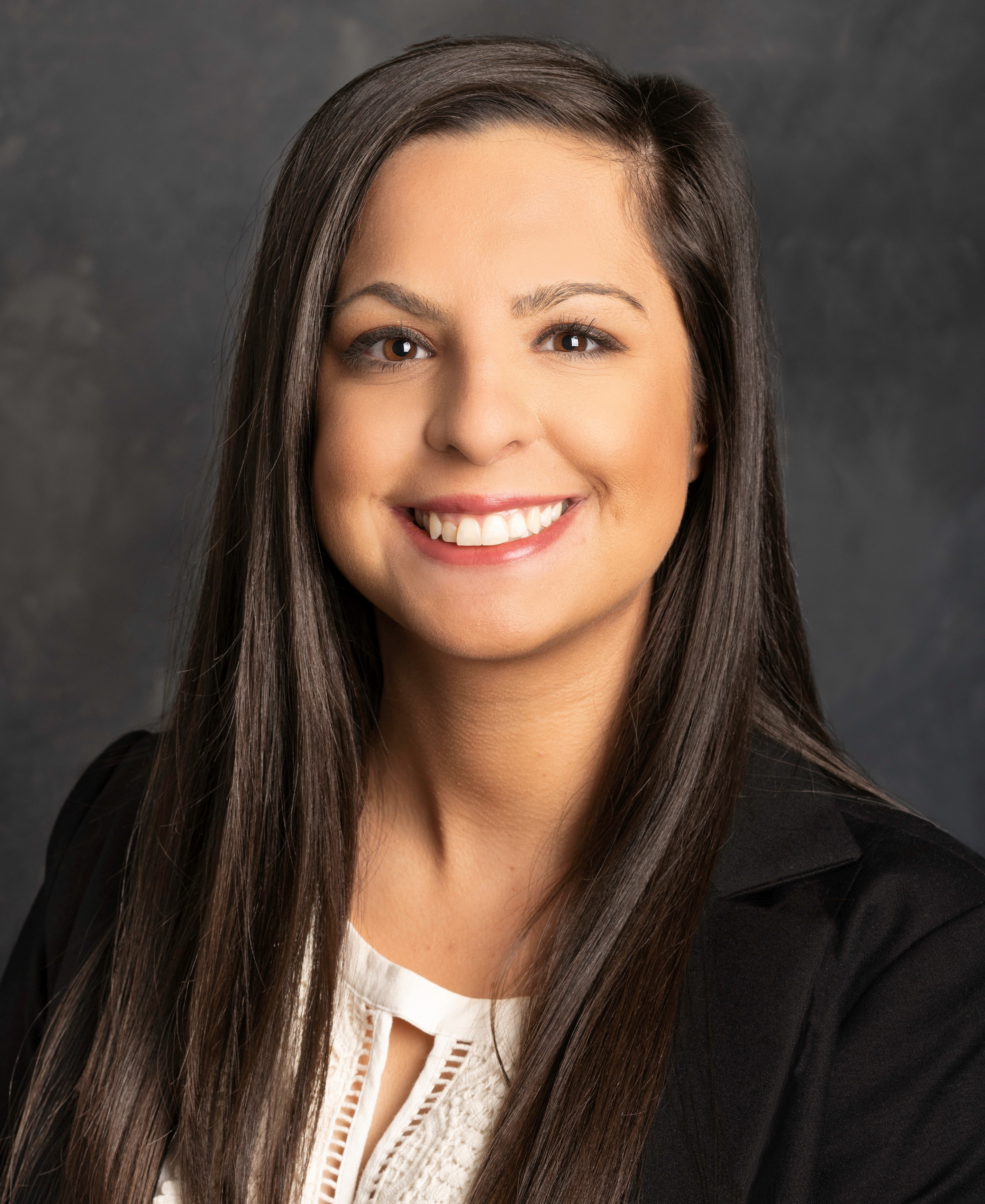
Thayra Rios Schad, PharmD;
Staff Pharmacist,
Hawthorne Pharmacy
|
.jpg) |
Diabetes Dialogue:
Determinants, Devices, and Drugs
(2026 Update)
|
Cynthia Phillips, PharmD, CDCES;
Clinical Associate Professor,
USC College of Pharmacy |
.JPG) |
Don't Go Racin' My Heart:
The Role of Landiolol for
Rate Control in the ICU
|
Victoria Harmon, PharmD;
Clinical Assistant Professor,
USC College of Pharmacy
|
1.jpg) |
Methadone Matters:
A Practical Refresh for
Today's Pharmacist
|
Lauren Linder Wier, PharmD, BCPP;
Clinical Assistant Professor,
USC College of Pharmacy
|
.JPG) |
GLP-1 Double Play:
Solo Stars and Dynamic Duos
in the Obesity Game Plan
|
Jennifer Clements, PharmD,
FCCP, FADCES, BCPS, CDCES, BCACP, BC-ADM;
Clinical Professor and Director of Pharmacy Education,
USC College of Pharmacy
|
.jpg) |
Triple Threat:
Optimizing COPD Treatment in 2026
|
Tate Owens, PharmD;
Clinical Pharmacist,
Tandem Health
|
|
|
Hours | Pharmacists | Pharmacy Technicians |
|
All programming
(Saturdays, February 1
AND
March 15)
|
12 hour
|
$140*LV | $75*L |
- Active PEEP Preceptors: You will receive communication via email regarding discounted registration!
- USC College of Pharmacy Alumni: Prior to registering, please check your email and/or mail for information from the COP on discounted registration!
- * - For those who choose to attend in-person, fees include a continential breakfast and lunch
- L- Please note that fees will appear as “Learning Express” on your credit card statement
- Operating System: Windows, Mac OS and Linux
- Internet Browser: Internet Explorer 7.0 or higher; Mozilla Firefox 3.0 or higher; Google Chrome
- Computer Speakers or headphones connected to your computer
- Broadband Internet Connection: Cable, High-speed DSL or T1
- Monitor Screen Resolution: 320x480 or higher
- Media Viewing Requirements: Adobe Reader, Microsoft PowerPoint and HTML
CE Hours
CE Units
Activity Type
- Knowledge-Based and Application-Based
Target Audience(s)
- Pharmacists
- Pharmacy Technicians
Accreditation(s)

Requirements for CE Credit
- Read the learning objectives and faculty disclosures
- Review the video presentation and engage in any suggested interactivity
- Complete each post-test with a score of at least 75%
- Complete the program evaluation form (Before the Home Study expiration date)
Board of Pharmacy Inspection Readiness
- Identify the individuals and entities regulated by the North Carolina Board of Pharmacy
- Describe the structure and roles within the Investigations and Inspections Department
- Describe the key elements reviewed during an inspection
- Review the responsibilities of the Pharmacist Manager
Speaker(s)/Author(s)
|
Krystal Brashears Stefanyk
|
Activity Number
0062-0000-26-009-H07-P/T
CE Hours
New and Updated Antimicrobial Indications
- Describe the FDA-approved indications, mechanisms of action, and antimicrobial spectrum of newly approved and emerging antimicrobial agents
- Determine the role of these novel agents in infection management
- Apply antimicrobial stewardship principles to an example formulary review case
Speaker(s)/Author(s)
|
Nicole Sunshine, PharmD
|
Activity Number
0062-0000-26-010-H01-P/T
CE Hours
Navigating Recent Changes to the US Vaccine Schedule – Policy, Recommendations, and Evidence
- Identify recent changes to U.S. vaccine policy, including updates to CDC-recommended immunization schedules
- Differentiate among available immunization schedules and recommendations from CDC, AAP, AAFP, and IDSA
- Summarize key vaccine safety and efficacy data supporting current immunization recommendations
Speaker(s)/Author(s)
|
Patricia Fabel, PharmD, BCPS
|
Activity Number
0062-0000-26-011-H06-P/T
CE Hours
From Prescription to Patient: Enhancing Access to Medications
- Describe medication access barriers and populations most affected
- Explain the roles of pharmacists and pharmacy technicians in improving access to medications
- Review approaches and tools to enhance access to medications
- Apply medication access strategies to a patient case scenario
Speaker(s)/Author(s)
|
Betsy Blake, PharmD, BCPS, FNAP
|
Activity Number
0062-0000-26-012-H01-P/TCE Hours
Controlled Substances in Pharmacy Practice: You`re Not Just Dispensing, You're Defending Your License
- Apply state and federal requirements to common dispensing scenarios
- Utilize a Prescription Monitoring Program (PMP) to support clinical and legal decision-making
- Describe current enforcement and compliance trends affecting community pharmacists
Speaker(s)/Author(s)
|
Thayra Rios Schad, PharmD
|
Activity Number
0062-0000-26-013-H08-P/T
CE Hours
Diabetes Dialogue: Determinants, Devices, and Drugs (2026 Update)
- Discuss assessment and management strategies for persons at risk for developing diabetes in complex disease states
- Examine the role of technology in monitoring and treatment of persons with diabetes
- Evaluate updates in medication recommendations and monitoring approaches to glycemia therapy with comorbidities
Speaker(s)/Author(s)
|
Cynthia Phillips, PharmD, CDCES
|
Activity Number
0062-0000-26-014-H01-P/T
CE Hours
Don’t Go Racin’ My Heart: The Role of Landiolol for Rate Control in the ICU
- Describe the etiology and clinical impact of atrial fibrillation (AF) in critically ill patients
- Identify pharmacologic and non-pharmacologic strategies used to manage AF in critically ill patients
- Summarize the pharmacologic characteristics of landiolol
- Evaluate clinical evidence supporting the use of landiolol for rate control across different patient populations
- Describe the etiology and clinical impact of atrial fibrillation (AF) in critically ill patients
- Identify pharmacologic and non-pharmacologic strategies used to manage AF in critically ill patients
- Summarize steps for compounding landiolol infusions
- Calculate the beyond use date for landiolol after reconstitution
Speaker(s)/Author(s)
|
Victoria Harmon, PharmD
|
Activity Number
0062-0000-26-015-H01-P/T
CE Hours
Methadone Matters: A Practical Refresh for Today's Pharmacist
- Explain key pharmacologic principles of methadone
- Identify appropriate clinical indications for methadone
- Use SCRIPTS/PDMP data to support safe methadone dispensing and monitoring
- Manage methadone therapy during transitions of care
- Describe pharmacologic points about methadone that affect storage, labeling, and handling
- Recognize common indications for methadone and when to refer questions or concerns to the pharmacist
- Demonstrate the correct process to query the SCRIPTS/PDMP system and notify the pharmacist of predefined red flags
- Perform medication reconciliation support tasks during transitions of care
Speaker(s)/Author(s)
|
Lauren Linder Wier, PharmD, BCPP
|
Activity Number
0062-0000-26-016-H08-P/T
CE Hours
GLP-1 Double Play: Solo Stars and Dynamic Duos in the Obesity Game Plan
- Differentiate the pharmacological mechanisms, efficacy profiles, and clinical indications of single versus dual GLP-1 receptor agonists in obesity management
- Outline evidence-based strategies for dosing, adverse event monitoring, and drug interaction management of GLP-1 receptor agonists in populations living with obesity
- Develop tailored counseling approaches and interdisciplinary collaboration plans for initiating and maintaining GLP-1 receptor agonists in obesity management
- Describe the role of single versus dual GLP-1 receptor agonists in obesity management
- Recognize adverse effects, situations, and medication handling considerations that should be escalated to the pharmacist
- Evaluate effective communication and workflow support techniques to assist pharmacists in initiating and maintaining GLP-1 receptor agonist therapy
Speaker(s)/Author(s)
|
Jennifer Clements, PharmD, FCCP, FADCES, BCPS, CDCES, BCACP, BC-ADM
|
Activity Number
0062-0000-26-017-H01-P/T
CE Hours
Triple Threat: Optimizing COPD Treatment in 2026
- Differentiate between COPD and other respiratory illness or comorbid conditions
- Discuss appropriate initial and follow up pharmacotherapy options for COPD management based on severity of symptoms
- Describe appropriate pharmacotherapy to manage a COPD exacerbation
- Identify non-pharmacotherapy options to aid in COPD management
Speaker(s)/Author(s)
|
Tate Owens, PharmD
|
Activity Number
0062-0000-26-020-H01-P/T